
wellness
Restoring Harmony: How Acupuncture and Traditional Chinese Medicine Support Total Wellness
In our fast-paced modern world, stress, chronic pain, fatigue, and systemic imbalances have become increasingly common. Often, standard Western medical approaches focus primarily on managing isolated symptoms. While targeted symptom relief is valuable, true healing requires addressing the whole person—mind, body, and spirit.
At Caritas Healing, Acupuncture and Traditional Chinese Medicine (TCM) offer a time-tested, holistic framework designed to restore internal harmony, stimulate natural recovery, and promote sustainable well-being. Guided by practitioner Nanie Carrillo, our TCM treatments provide gentle, effective care tailored to your unique physical and emotional landscape.
Understanding the Foundations of Traditional Chinese Medicine
Traditional Chinese Medicine is a sophisticated system of healing with a history spanning over 2,500 years. At its core is the concept of Qi (pronounced “chee”), the vital life-force energy that flows through all living beings.
Qi moves throughout the body along designated pathways called meridians. These channels connect internal organs, tissues, muscles, and the nervous system. When Qi flows freely and abundantly, the body experiences health, vitality, and balance. However, factors such as physical trauma, emotional stress, poor nutrition, environmental toxins, and overwork can cause Qi to become blocked, deficient, or stagnant.
When the body’s natural energy balance is disrupted, physical discomfort, illness, or emotional strain can result. The objective of TCM is not merely to alleviate localized symptoms, but to identify and resolve the underlying root cause of the imbalance.
How Does Acupuncture Work?
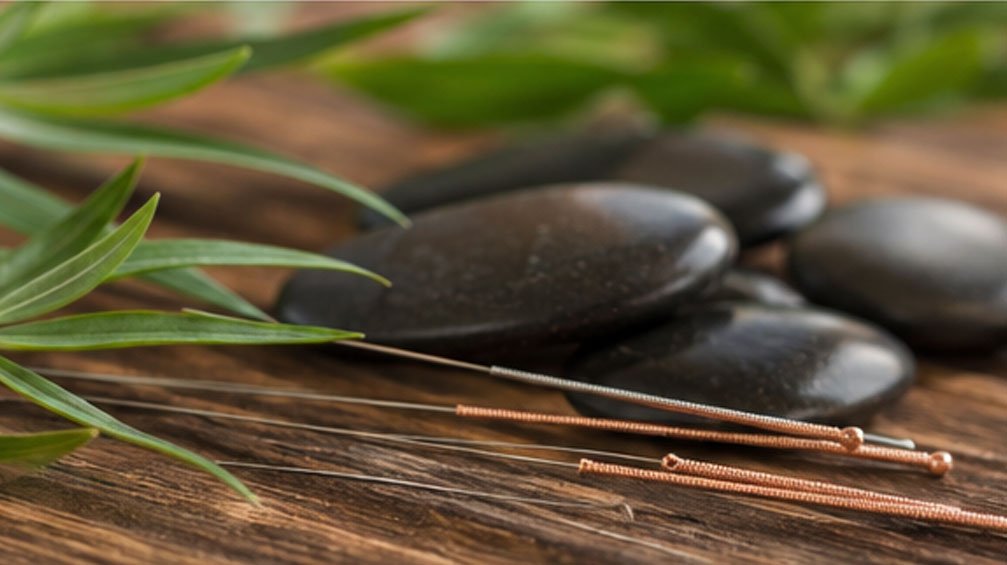
Acupuncture is one of the primary therapeutic modalities within Traditional Chinese Medicine. It involves the precise insertion of hair-thin, sterile, single-use needles into specific acupuncture points (acupoints) along the body’s meridians.
From a Traditional Chinese Medicine perspective, stimulating these points clears blockages, redirects misplaced energy, and restores the fluid movement of Qi and Blood throughout the body.
The Western Physiological View
Modern scientific research confirms that acupuncture produces measurable neurological and biological responses:
Neurochemical Release: Acupuncture stimulates nerve fibers, signaling the brain and spinal cord to release endorphins, enkephalins, and serotonin—the body’s natural pain relievers and mood enhancers.
Improved Circulation: Inserting needles causes micro-stimulation that dilates blood vessels, enhancing localized blood circulation and facilitating the delivery of oxygen, nutrients, and immune cells to damaged tissues.
Nervous System Regulation: Acupuncture helps shift the autonomic nervous system out of a stress-induced “fight-or-flight” (sympathetic) response into a restorative “rest-and-digest” (parasympathetic) state.
Inflammation Reduction: Studies show acupuncture helps regulate inflammatory cytokines, reducing systemic and localized inflammation throughout muscles and joints.
Conditions Commonly Treated with Acupuncture & TCM
Because Acupuncture and Traditional Chinese Medicine treat the whole system rather than isolated organs, they are effective for a wide spectrum of acute and chronic health conditions:
1. Chronic and Acute Pain Management
Back pain, neck pain, and sciatica
Arthritis, joint stiffness, and tendonitis
Tension headaches and migraines
Post-surgical recovery and sports injuries
2. Emotional Health and Stress Relief
Anxiety, chronic stress, and emotional burnout
Depression and mood volatility
Insomnia and fragmented sleep patterns
3. Digestive and Metabolic Harmony
Irritable Bowel Syndrome (IBS), bloating, and acid reflux
Chronic nausea and sluggish digestion
Systemic metabolic imbalances
4. Hormonal and Reproductive Wellness
Menstrual irregularities, painful cramping, and PMS
Perimenopause and menopause support (hot flashes, night sweats)
Fertility support and prenatal/postpartum care
5. Immune System and Respiratory Support
Seasonal allergies and sinus congestion
Asthma and chronic respiratory sluggishness
Immune system fortification
What to Expect During an Acupuncture Session
If you are new to acupuncture, it is natural to feel curious or hesitant about needles. However, acupuncture needles bear little resemblance to hypodermic syringes used for blood draws or injections. They are exceptionally thin, flexible, and designed for maximum comfort.
When you visit Nanie Carrillo at Caritas Healing, your treatment experience includes:
Comprehensive Assessment: Your session begins with an in-depth consultation reviewing your physical health, lifestyle, stress levels, dietary habits, and primary wellness goals.
Personalized Treatment Plan: Based on TCM diagnostic principles—including pulse and tongue evaluation—a tailored protocol is developed specifically for your constitution.
Gentle Needle Insertion: You will relax comfortably on a treatment table while ultra-fine needles are gently placed. Most clients feel only a mild sensation—such as a brief tingle, warmth, or a feeling of deep relaxation.
Restorative Rest: Once the needles are placed, you will rest quietly in a calming environment for 20 to 30 minutes. Many individuals fall into a restorative sleep during this time.
Complementary Modalities: Depending on your needs, your session may also integrate complementary TCM techniques such as cupping, moxibustion, acupressure, or dietary guidance.
Embark on Your Journey to Balance at Caritas Healing
Your body possesses a remarkable innate capacity for self-healing when given the proper support, alignment, and care. Acupuncture and Traditional Chinese Medicine offer a gentle, natural path toward lasting vitality, physical comfort, and emotional tranquility.
Experience the healing benefits of TCM. Contact Nanie Carrillo at Caritas Healing today to book your acupuncture consultation and take a proactive step toward holistic vitality.